
Take an area.
Koykan grants areas to multi-unit operators. You take a defined territory, build and run every Koykan restaurant in it, and hold the exclusivity for as long as you deliver against the schedule.
From EUR 300,000 per locationAround 5 openings a year10 year agreement with renewal
Koykan does not franchise single locations.
The unit of partnership is an area.
Four things that decide whether this is worth your time.
01
Territory is unallocated
You know what it costs to enter a system where the good areas went years ago. Here whole areas are still open, and exclusivity comes with the agreement rather than as a concession you negotiate for later.
02
The system is built
One point of sale layer across every market, one supply chain, one opening framework that every recent store was delivered through. You are not being asked to finish a system while you carry the units.
03
A short, published fee stack
A self funded partner pays 5.5 percent of net revenue in total. No marketing levy today, no renewal fee, no transfer fee, no data licence. The full table is in section six and nothing sits outside it.
04
A capital route if you want one
If your constraint is the size of the cheque rather than the operating case, the Area Operation Partner route funds the area alongside you and you earn equity by delivering. Section four covers it.
Fast casual world food, built for multi-unit rollout from the start.
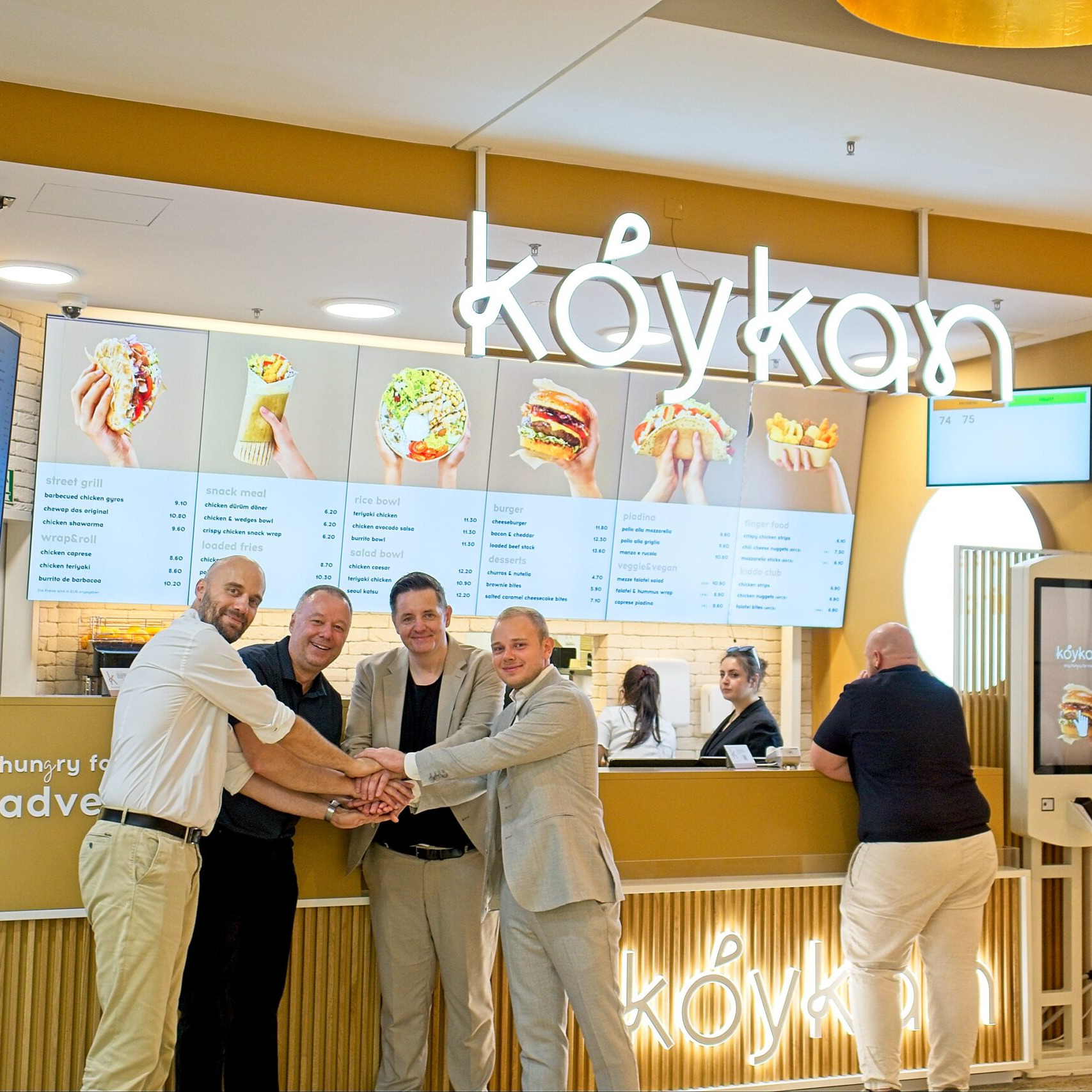
Nine restaurants across Croatia, Czechia, Slovakia and Germany, in malls, on high streets and in business districts. The unit model has been read in four markets rather than one, which is the part that matters when you are deciding whether it reads in yours.
A note from the CEO
Why we are opening areas
“We have the system, the supply chain and the technology. What we do not have is people on the ground in twenty European cities. We would rather hand a real territory to an operator who already knows how to run one than open everything ourselves and run it worse.”

BORO MILIVOJEVIC
CEO, KOYKAN GROUP
Twelve categories on one kitchen line.
Single category brands live and die on one daypart and one customer. Koykan covers lunch, dinner, kids, vegan and delivery off the same line, which is what holds the average through a weekday and keeps a mall unit trading after five.

Burgers
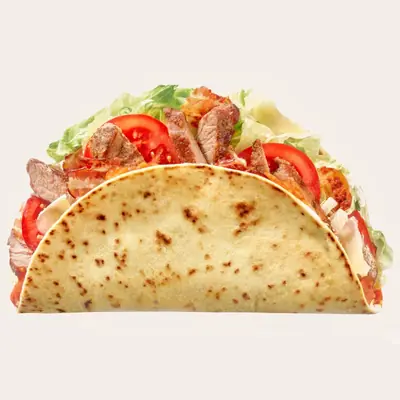
Piadinas
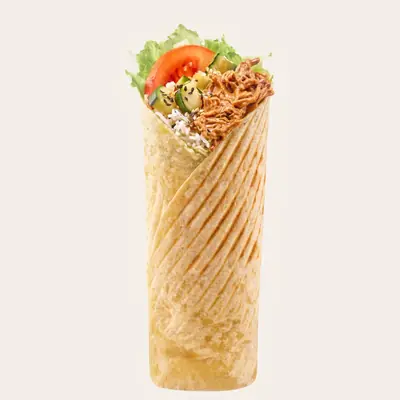
Wraps
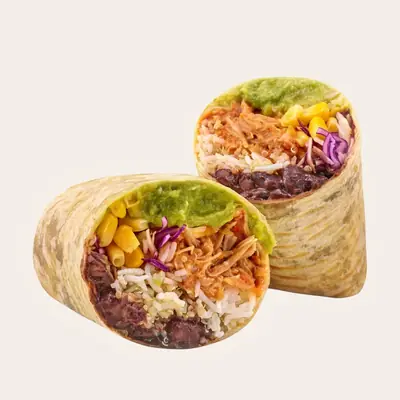
Burritos
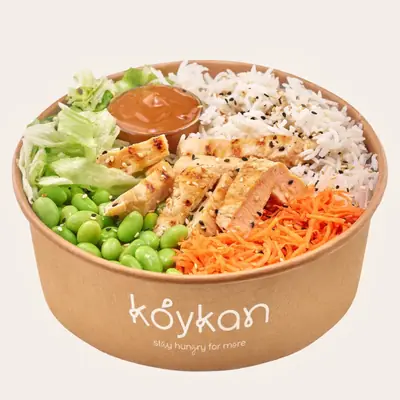
Bowls
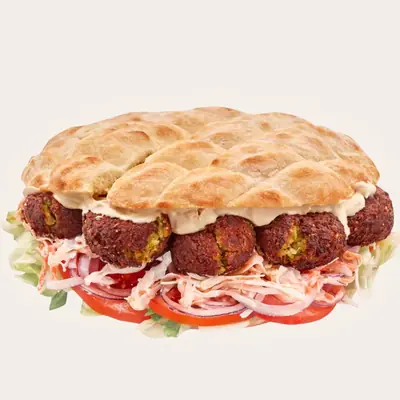
Falafel
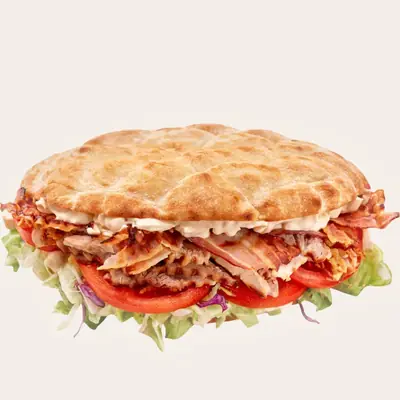
Gyros
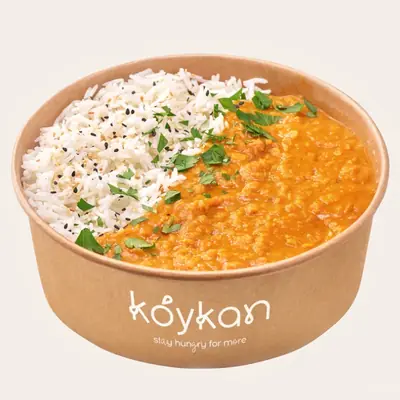
Currys
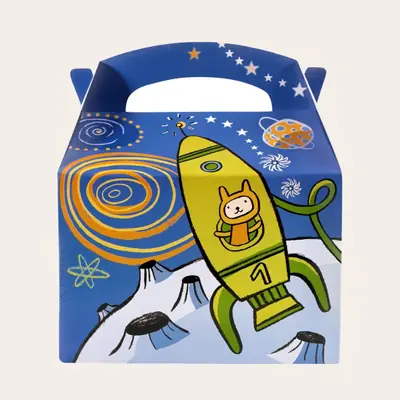
Kiddo menu
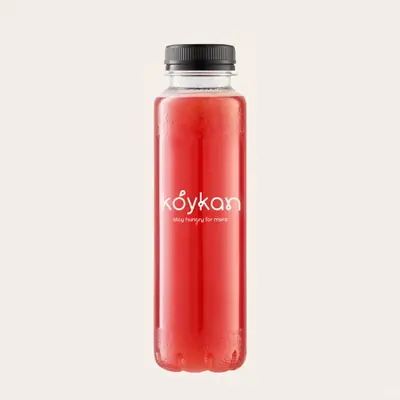
Drinks
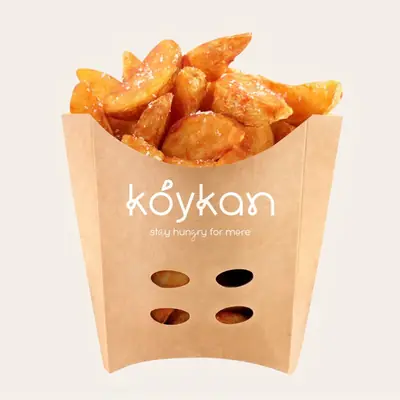
Sides
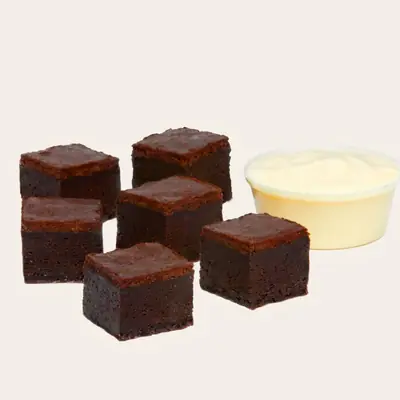
Desserts
Products on the rolling menu, refreshed every two to three months
Recipes tested and costed in the Culinary Centre before they reach a store
Modular kitchen and counter, reusable across all three formats
Options in every category, so a mixed table is not a lost table
Three formats, so an area is not hostage to one kind of site.
Most areas end up mixing all three. The mall unit carries the weekend, the business location carries the weekday lunch, and the street store carries the brand.
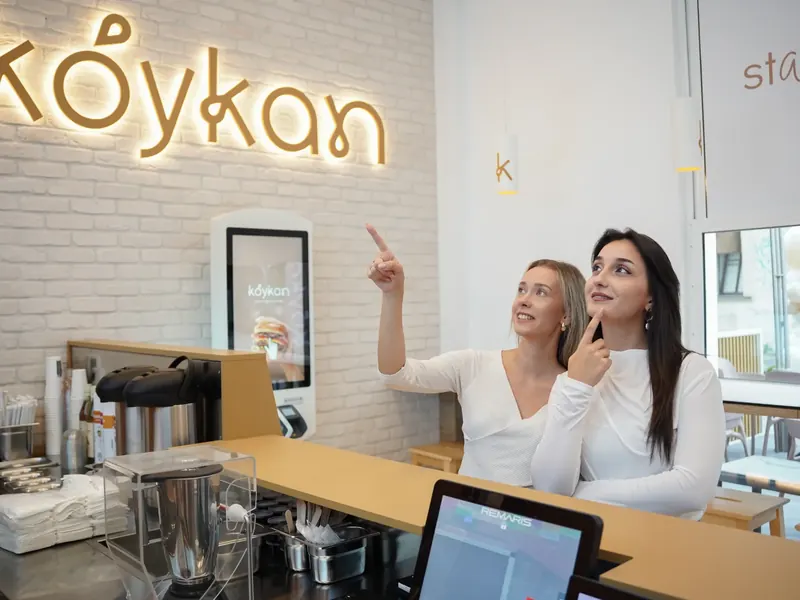
01 / STREET STORE
High street and shopping streets
Highest build cost of the three and the strongest brand asset in an area. Walk in trade, longer hours, terrace where the site allows it.
City centres
Shopping streets
Busy squares
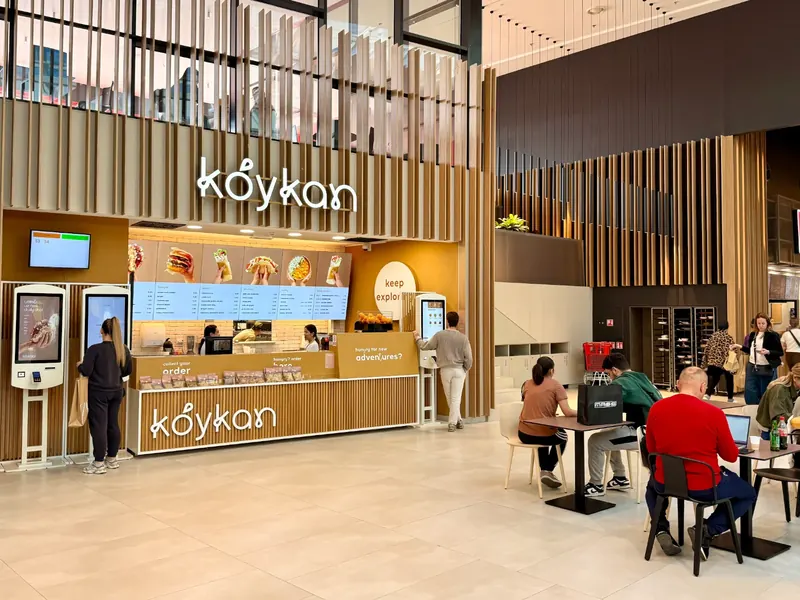
02 / MALLS AND TRANSPORT HUBS
Shopping malls, airports, stations
Lowest entry cost, from 50 sqm, with shared seating and restrooms. Captive footfall and lease terms you already know how to read.
Shopping malls
Airports
Bus and rail
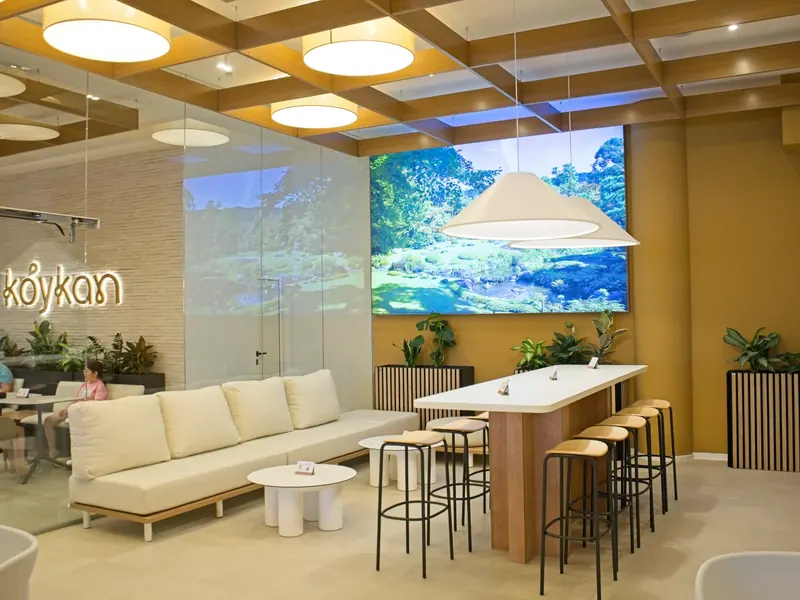
03 / BUSINESS LOCATIONS
Office buildings and business districts
The most predictable of the three and the easiest to staff. Monday to Friday lunch, a recurring base and a high digital ordering share.
Office buildings
Business districts
Mixed use
FLOOR AREA
Around 100 sqm, 70 to 120 sqm, plus terrace. Mall format from 50 sqm plus storage.
VISIBILITY
Corner position, window front or a strong signage line preferred.
POWER AND UTILITIES
40 kW power, or 25 kW plus gas, water, grease separator, exhaust and ventilation.
LAYOUT
Kitchen, storage, counter, dine in seating, restrooms, optional terrace.
Indicative. Final specifications are confirmed per site with the Koykan build up team.
Franchise Partners build it. The Brand Company powers it.
The split is the ordinary one. What is worth reading is which side each item actually sits on, because that is where these agreements differ from each other.
The Brand Company delivers
Arrives with the agreement
- Brand and owned intellectual property
- Operating system and standards
- Supply chain negotiated centrally, passed through at cost
- Digital infrastructure and point of sale
- AI supported SOP app on the floor
- Benchmarking against every other unit in the network
- Modular kitchen and counter lines
- Training and opening support
- Brand and marketing programmes
- Access to platform capital, if you take that route
The Franchise Partner operates
Yours to own and run
- Site sourcing and lease negotiation
- Build out and opening capital
- Ownership of the locations
- Hiring, training and daily operations
- Local trade and landlord relationships
- The trading result, which is where the money is
Koykan grows through partners rather than through its own balance sheet. That is a structural preference, not a phase, and it is why the corporate share is held under ten percent.
The plan is organised by country, region and area.
Planning happens at region level, because a region is the smallest unit where a marketing spend and a menu behave consistently. The area is the level at which one partner signs.
LEGAL JURISDICTION
The legal envelope. Germany, for example. Entity structure, employment law and the franchise agreement all sit at this level.
CULTURAL AND ECONOMIC UNIT
A cultural and economic unit rather than an administrative one. Bavaria, for example. Media buys and menu performance travel across a region and stop at its edge.
ONE PARTNER
What you sign for. Defined boundaries, a development schedule and exclusivity inside them. A region can carry several area partners at once, which is why an area is drawn to your capacity rather than to a map.
Area partner A
Area partner B
Area partner C
Exclusivity is calibrated per agreement rather than handed out by default. A strong partner in a market that matters can hold several regions. A partner that falls materially behind schedule loses exclusivity after a defined cure period. Both directions are in the agreement.
One operator profile. Three capital configurations.
Operations are identical across all three. Standards, reporting, supply chain and governance do not move. The only variable is who funds the build.
PREFERRED
AREA FRANCHISE PARTNER
You fund the area and own the units. Our first choice wherever an operator can carry it.
CAPITAL
Yours.
OWNERSHIP
Full, from day one.
RETURNS
The trading result, across the whole area.
TERRITORY
Exclusive, around five openings a year.
PAYS
Area development fee at signature, then 5.5 percent of net revenue.
CAPITAL ASSISTED
AREA OPERATION PARTNER
Same operator, same standards. You bring part of the capital and the platform raises the rest alongside you.
CAPITAL
Part yours, the balance raised by the platform.
OWNERSHIP
Earned against delivery milestones rather than bought.
RETURNS
A management fee on revenue, plus the equity you earn.
TERRITORY
Exclusive, around five openings a year.
GRADUATION
Build financial strength here and move to AFP terms later.
MASTER FRANCHISE PARTNER
Only where master franchise is the local norm, notably the Middle East. On request.
SCOPE
Country or regional rights, sub franchise network underneath.
TERMS
Negotiated per agreement, not fixed system wide.
Few operators fit the self funded route early. The AOP widens the base.
Operators with your record and a self funded multi-year commitment are a small population, and most of them are already carrying an established brand. Rather than pretend otherwise, we built a second route.
Multi-unit franchise operators in the EU running ten or more units of another brand
Fit the AOP route. Same operating quality, capital the platform can complete
Fit the AFP route. Self funded at the level an area commitment needs
Indicative ranges triangulated from EU and US franchise industry benchmarks. Not a dedicated market study.
The capital side, in one paragraph
How an AOP area is funded
Capital is raised centrally and put into the holding company that owns the restaurants in your area. You carry no construction risk on those units. In return you earn equity in that holding company against delivery milestones, plus a management fee on the revenue of every restaurant you operate. Leases, staff, systems and licences sit with the restaurant companies rather than with you, which is what keeps the arrangement legible to the investors who funded it and what lets you walk away from it cleanly if you ever want to.
The same commitments across every route.
The commitment
A defined area and a development schedule. An AFP funds it. An AOP brings part and the platform raises the rest.
Fees
An area development fee at signing, then 5.5 percent of net revenue. The full table is in section six.
Returns
The trading result. As an AOP, also the equity you earn and the management fee on revenue.
Development
Around five openings a year. Exclusivity is kept by hitting the schedule and lost by missing it.
The development pace
One opening every ten to eleven weeks in steady state
YEAR ONE
YEAR TWO
YEAR THREE
YEAR FOUR
Dense areas run ahead of this and smaller markets sit below it. This is the planning assumption, not your contractual minimum. Your schedule is negotiated against the size and economics of your area, and it is what the agreement holds you to.
Every charge in the system, on one page.
Every charge in the system is here. Nothing sits in an annex, nothing is charged twice, and each line is paid to whoever does the work it pays for.
Build, fit out and opening. Varies by format, with a mall unit at the lower end. Confirmed per site during selection.
From EUR 300,000
Per location committed under the area agreement, payable at signature. Charged to external partners only, so platform owned units do not carry it.
EUR 20,000
The brand, the recipes and the operating system. It is the only operating claim the Brand Company has on a restaurant.
5% of net revenue
Paid to the external technology company that runs the stack. It replaces the licences and subscriptions a unit carries locally rather than adding to them, so your local IT line falls as it comes in.
0.5% of net revenue
Zero today. While the network is small, marketing is yours to define and spend locally. If it is ever switched on it goes into a not for profit brand vehicle and is spent in full on system brand building, never as income of the Brand Company, and the rate is frozen for a unit once that unit is inside the platform.
0%
Defined and spent by the partner in its own area.
Set by the partner
Training and onboarding are delivered by the platform and carried inside the fee structure.
None
Renewal and transfer to an approved buyer stay subject to consent and to the same standards. Consent is not priced.
None
Operational data is owned by the platform and licensed back to you for your own use at no charge.
None
What net revenue means, precisely
Revenue excluding value added tax, after discounts and loyalty rebates have been taken off, but before the commission a delivery platform charges. The same base applies to every charge calculated on turnover, in every channel. On delivery orders that means the charges are calculated on the full order value rather than on what remains after the platform takes its share, so a location with a large delivery share carries a higher effective burden. One base for everything keeps the calculation simple to verify and removes any reason to push sales toward one channel rather than another. Channel mix is part of standard reporting for exactly this reason.
Central procurement
Operated at cost. The platform negotiates and aggregates volume, then passes the terms through, so the benefit of scale lands in the input cost of the restaurant rather than in a platform margin.
Group services
Staffing, culinary production, supply and technology are charged at cost rather than at a margin, and already sit inside the cost of goods or the service costs of a location.
Payback
Around 30 months on average across existing Koykan locations. It moves with the site, the format and local trading, and the record of nine units is not a promise about a tenth.
Multi-unit, multi-brand. The bar does not move between the two routes.
We are not looking for someone entering the sector. We are looking for an operator who already carries units of another brand and wants a territory rather than a site.
You already run units
Several locations of another brand, with profit and loss ownership rather than a management title.
An organisation that can absorb more
Area management, back office and hiring capacity that does not have to be built from nothing for the first opening.
You know the target area
Landlord, supplier and authority relationships already in place, and a view on which sites are worth having.
Appetite for a young brand
You know what you give up by not taking an established system, and you want the territory and the terms that come with being early.
Capital, or the case for support
The full area as an AFP, or part of it with the platform completing the rest as an AOP.
You run to standards
Brand standards, the reporting cycle and central sourcing are not negotiable, and you already work that way.
If you fit most of this and not all of it, apply anyway. The gaps we can work with are usually capital ones.
The network grows through partners, not through our balance sheet.
New area partners signed a year
Restaurants per partner a year in steady state
Of the network stays corporate over the long horizon
Planning assumptions, not contractual minimums. Individual commitments are agreed in each partner agreement.
The whole European Union is the horizon
The constraint is the partner pool, not the map. If you are strong and your market is not on our list, that is not a reason we will turn you down.
EARLY OPERATIONAL FOCUS
Germany
Czechia
Slovakia
Croatia
BEYOND THE EUROPEAN UNION
United Kingdom
Switzerland
Norway
Ukraine
Serbia
Albania
Middle East
The Middle East is approached as a master franchise cluster, which is the established mode of entry there.
Corporate restaurants
The company owned base is deliberately small and it is not there to grow.
- Corporate units open a new market first, so a partner conversation starts with local numbers rather than with a deck.
- A few stay as reference operations for training, benchmarking and audit standards.
- Once those units have done their job, growth in that market goes to partners.
Eight things you do not have to build.
A tested unit model
Read across four markets rather than one, in three formats, with the numbers behind it available at qualification.
Training that assumes you can operate
Onboarding covers the Koykan system, not how to run a restaurant. It is shorter because of it.
Ten year term with renewal
Long enough that a territory is worth building rather than renting, and long enough to be worth selling later.
Modular kitchen and counter
Standard elements that drop into any of the three formats, which is what keeps build time and capital cost predictable across an area.
One stack across every market
ERP, point of sale, business intelligence, training and signage, all included and all reporting into the same layer, so an area is one dashboard rather than five.
Procurement at cost
Volume negotiated centrally and passed through without a margin, so scale lands in your input price rather than in ours.
An opening framework, not advice
Site selection, lease, build out, hiring and launch run through the same framework every recent Koykan store was delivered on.
A capital route where it fits
Record without the full cheque is a solvable problem here. Section four sets out how.
THE MODEL ON ONE PAGE
The franchise model infographic
The whole model on one sheet. Print it, or send it to a partner, a bank or whoever else has to sign off on the commitment.
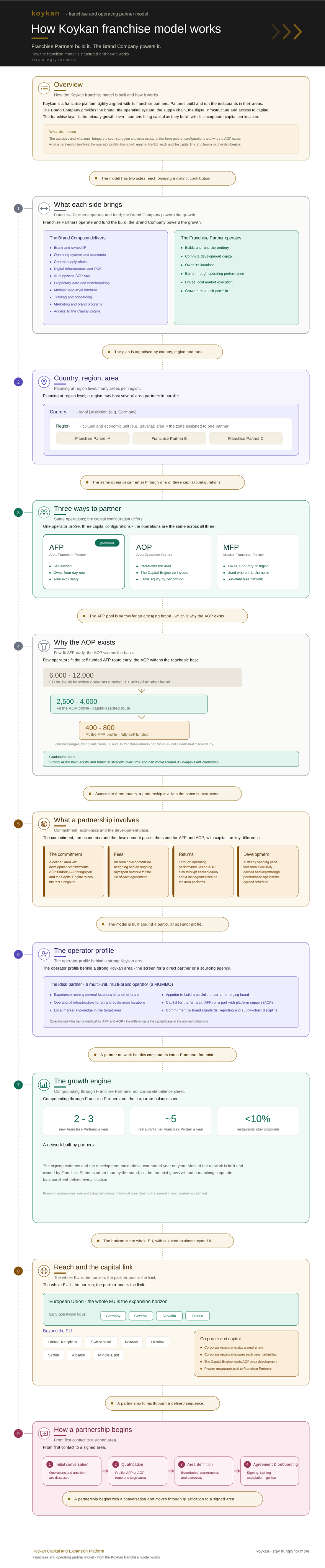

From first contact to a signed area.
1
Initial conversation
What you run today and where you want to build. Thirty minutes.
2
Qualification
Track record, organisation and capital position, and which of the two routes fits.
3
Area definition
Boundaries, schedule and exclusivity, drawn against what you can actually deliver.
4
Agreement and onboarding
Signature, training, and the first sites moving toward opening.
The questions that come up most.
Do you franchise single locations?
No. The unit of partnership is an area. A single site does not carry the structure an area agreement is built on, and it does not give either side the scale that makes the arrangement work.
What is the difference between an AFP and an AOP?
Operations are identical. The difference is who funds the build. An AFP funds the area and owns the units from day one. An AOP brings part of the capital, the platform raises the rest, and equity is earned against delivery milestones.
What does one restaurant cost to open?
From EUR 300,000 per location, covering build, fit out and opening. A mall unit sits at the lower end. The figure is confirmed per site during selection.
What are the ongoing fees?
5 percent royalty and 0.5 percent platform technology contribution, both on net revenue, so 5.5 percent in total. System marketing is zero today. There is no renewal fee, no transfer fee and no data licence fee.
What exactly counts as net revenue?
Revenue excluding VAT, after discounts and loyalty rebates, but before delivery platform commission. The same base applies in every channel.
What is the area development fee?
EUR 20,000 per location committed under the area agreement, payable at signature. It is charged to external partners only.
What track record do you screen for?
Several units of another brand with profit and loss ownership, an organisation that can absorb more, and relationships in the target area.
How long is the agreement, and how fast do I have to open?
Ten years with renewal. Around five openings a year in steady state, negotiated against the size and economics of your area.
How long from signature to opening?
The first sites move toward opening immediately after onboarding. Timing depends on site availability and permitting in your market.
What is the payback period?
Around 30 months on average across existing Koykan locations. It moves with site, format and local trading.
Which markets are open?
Early operational focus is Germany, Czechia, Slovakia and Croatia. Beyond the EU we look at the United Kingdom, Switzerland, Norway, Ukraine, Serbia, Albania and the Middle East.
Do you grant blanket exclusivity?
Exclusivity is calibrated per agreement. A strong partner can hold several regions. A partner materially behind schedule loses exclusivity after a defined cure period.
Can I use my own equipment or suppliers?
Central sourcing is not negotiable. Procurement is operated at cost, so the benefit of aggregated volume lands in your input price.
Can I sell my business later?
Yes. Transfer to an approved buyer stays subject to consent and to the same standards, and consent is not priced.
Every site I find has to be offered to you first. Why?
So that a site in your area is developed inside the area agreement rather than outside it, which is what protects the exclusivity you hold.
Start the conversation.
Tell us what you operate today and which area you want. We read every application and come back to qualified operators within five working days.
STEP 1
Qualification form. Around five minutes.
STEP 2
Call on economics, territory and fit.
STEP 3
Mutual due diligence and a letter of intent.
STEP 4
Discovery day and store visits.
STEP 5
Area agreement, territory mapping and the opening schedule.
Apply for an area
What you run now, the capital position you are working from and the area you have in mind. Five minutes, and it is what gets you to a call.
Or write to franchise@koykan.com
PRIVACY NOTICE FOR APPLICANTS
The personal data you submit through the franchise application, including your name, contact details and business background, is processed by Koykan for the purpose of assessing your suitability as a franchise partner. It is retained for the duration of the assessment and for a reasonable period afterwards, and it is not sold or shared with third parties for marketing.
You have the right to access, correct, restrict or delete your personal data, and to withdraw consent at any time. Write to franchise@koykan.com. See the Privacy Policy and the Terms of Use.